
Surviving Pollen Season in the DC Area: What It Means for Your Home's Indoor Air
The DC area's spring pollen season is among the worst in the Mid-Atlantic. Here is what that means for your home's indoor air quality and how to stay ahead of it.
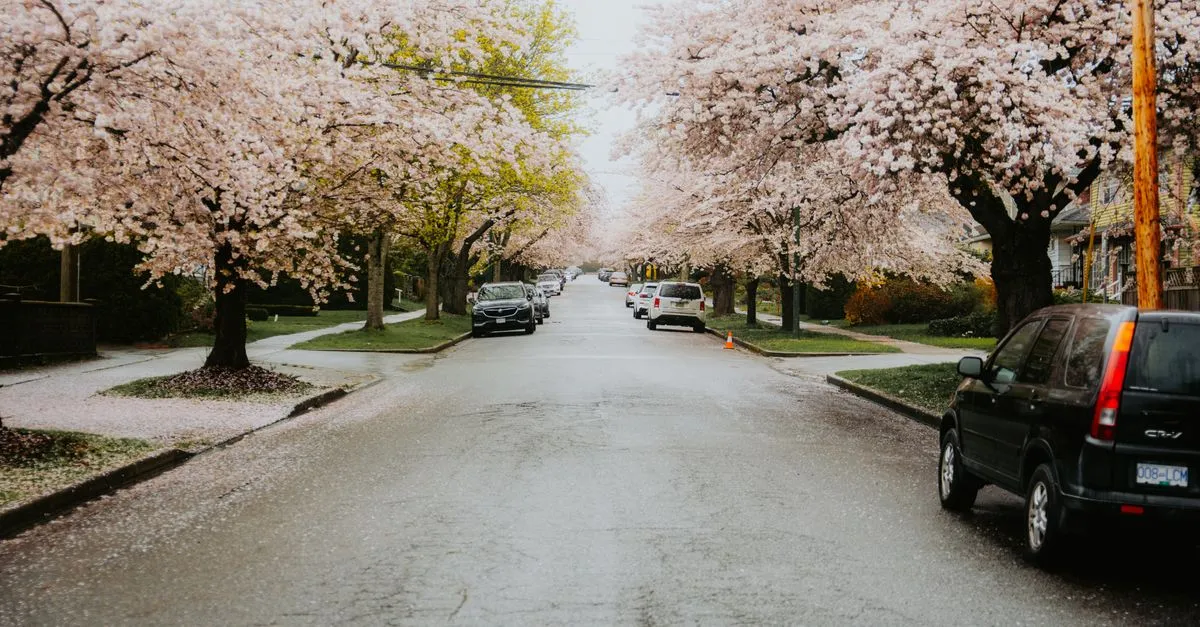
Why DC Area Pollen Season Hits Differently
If you have lived in the DC, Maryland, or Virginia area for even one spring, you already know the feeling. You wake up, look at your car in the driveway, and it is completely coated in yellow-green dust. Your eyes itch before you have even had coffee. Welcome to one of the most aggressive pollen seasons on the East Coast.
The Mid-Atlantic region sits in a natural bowl of deciduous forest. Northern Virginia suburbs like Arlington, Falls Church, and Reston are lined with oak, maple, birch, and cedar trees that begin releasing pollen as early as late February. By mid-April, the tree pollen peaks. Then grass pollen takes over through June. Maryland communities like Bethesda, Silver Spring, and Rockville face the same assault, and neighborhoods closer to Rock Creek Park or the C&O Canal corridor often see even heavier concentrations because of the dense tree canopy overhead.
What makes this especially relevant for your home is simple: pollen does not stay outside.
How Pollen Gets Inside Your Home
Pollen grains are microscopic. A single oak tree can release billions of them in a single day. They drift through open windows, hitch rides on your clothes and shoes, travel in on your dog after a walk around the National Mall or along the Four Mile Run trail, and sneak in through door gaps and window screens that were never designed to filter particles this fine.
Older housing stock in DC neighborhoods like Capitol Hill, Cleveland Park, and Takoma Park tends to have older windows with larger gaps and less effective seals. Townhomes and rowhomes common throughout the region also share walls and stairwells that can funnel outdoor air in ways single-family homes do not. If you have a home built before 1990, the infiltration is likely worse than you realize.
Once inside, pollen settles on every horizontal surface. Windowsills, baseboards, countertops, upholstered furniture, and hardwood floors all collect it. It gets stirred back into the air every time someone walks through a room or opens a closet. For anyone with seasonal allergies, asthma, or young children, this is a serious quality-of-life issue from March straight through June.
Practical Steps to Reduce Pollen Indoors
Keep Windows Closed During Peak Hours
Pollen counts are highest in the morning, typically between 5 a.m. and 10 a.m., and again on dry, windy days. If you want fresh air, open windows in the late afternoon or after rain, when counts drop significantly. The DC area's notoriously humid spring weather actually works in your favor here because moisture pulls pollen out of the air.
Use Your HVAC System Strategically
Run your HVAC system on recirculate rather than fresh-air intake during peak pollen days. Replace your air filter regularly during spring. A standard 1-inch filter should be checked monthly from March through June. Upgrading to a higher-MERV-rated filter (MERV 11 or 13) can meaningfully reduce the pollen that circulates through your living spaces.
Create a Drop Zone at Your Entry
In homes throughout Arlington, Alexandria, and Chevy Chase, a small entryway habit makes a big difference. Remove shoes at the door. Hang jackets immediately rather than carrying them through the house. If you have pets, keep a damp cloth near the door to wipe paws before they run across your floors and furniture.
Wipe Down Surfaces More Frequently
During pollen season, your usual weekly wipe-down schedule is not enough. Windowsills and sills near entryways need attention every two to three days. Hard floors benefit from damp mopping rather than dry sweeping, which just launches pollen back into the air.
Why a Professional Deep Clean Makes Sense at the Start of Pollen Season
Before you implement any of the habits above, it helps to start from a clean baseline. Pollen that has already built up in your home over the first weeks of spring is embedded in surfaces, corners, and fabrics. A thorough professional cleaning removes that accumulated layer so your regular maintenance actually works.
Our deep cleaning service in Arlington is exactly what we recommend for households heading into allergy season. It goes well beyond a standard tidy, targeting built-up dust and debris on baseboards, blinds, light fixtures, bathroom tile, kitchen surfaces, and all the areas that collect fine particles between regular visits. Starting pollen season with a deep clean means you are not just pushing allergens around every time you wipe a surface.
How Recurring Cleaning Keeps Pollen Under Control All Season
One deep clean gets you to a clean starting point, but pollen season in the DC area lasts roughly four months. Tree pollen peaks in April, then transitions to grass pollen through May and June. That is a long stretch to stay on top of on your own, especially if you are working full time or managing kids and activities.
Setting up a recurring cleaning schedule in Arlington means professional cleaners come in on a regular cadence, every week or every two weeks, to remove the pollen and dust that has resettled since the last visit. Recurring clients also save 30 to 50 percent compared to one-time pricing, which makes keeping up with a four-month allergy season genuinely affordable rather than a luxury.
For households in Northern Virginia and the Maryland suburbs where both parents work and the weekends disappear quickly, recurring cleaning during spring is less about preference and more about health. Allergy sufferers in homes that are cleaned regularly on a schedule consistently report fewer symptoms indoors, simply because the allergen load is kept lower.
What Neat N Tidy Focuses On During Spring Cleanings
Our background-checked, vetted and insured cleaners pay particular attention to the areas where pollen accumulates most in DC area homes during spring visits:
- Windowsills and window tracks, which collect dense pollen deposits when windows are opened even briefly
- Baseboards throughout the home, especially along exterior walls
- Hard floors with damp mopping to trap rather than scatter particles
- Kitchen and bathroom countertops and surfaces
- Bathroom tile and fixtures where moisture can cause pollen to clump and stick
- Entryway and mudroom floors in homes that get heavy foot traffic during spring
These are the surfaces that make the most difference for indoor air quality during allergy season, and they are the areas our teams are trained to prioritize.
A Note for Families in Older DC Area Homes
If you live in a 1940s or 1950s brick Cape Cod in Alexandria, a Victorian-era rowhouse in DC proper, or a split-level in Montgomery County built in the 1960s, your home almost certainly has more infiltration points than newer construction. Original windows, older weather stripping, and less insulated building envelopes mean more pollen gets in regardless of how careful you are. Professional cleaning during peak season is not a nice-to-have in these homes. It is the most practical tool available for managing what comes inside.
Spring in the DC area is genuinely beautiful. The cherry blossoms on the Tidal Basin, the dogwoods in full bloom in Rock Creek Park, the azaleas along the George Washington Parkway. You should be able to enjoy it without suffering inside your own home. A clean home is a meaningful part of that.
Frequently Asked Questions
Ready for a Cleaner Home?
Tell us about your home and we'll recommend the right service. Free quote in 60 seconds.
You're All Set!
We'll call you within 5 minutes.